Back in August 2018, we had a relatively clear visual language for the Skrill and Neteller apps. We also had multiple product teams, stretched across the globe (Canada, UK, Bulgaria), working hard and releasing weekly. But we were missing the one thing that holds design together: a robust design system.
As engineers juggled multiple Angular libraries and freestyle CSS decisions, our codebase began to bloat and inconsistencies crept in. The situation was even more complicated with Neteller, which used a mix of Angular libraries and other front-end strategies.
Starting with Angular
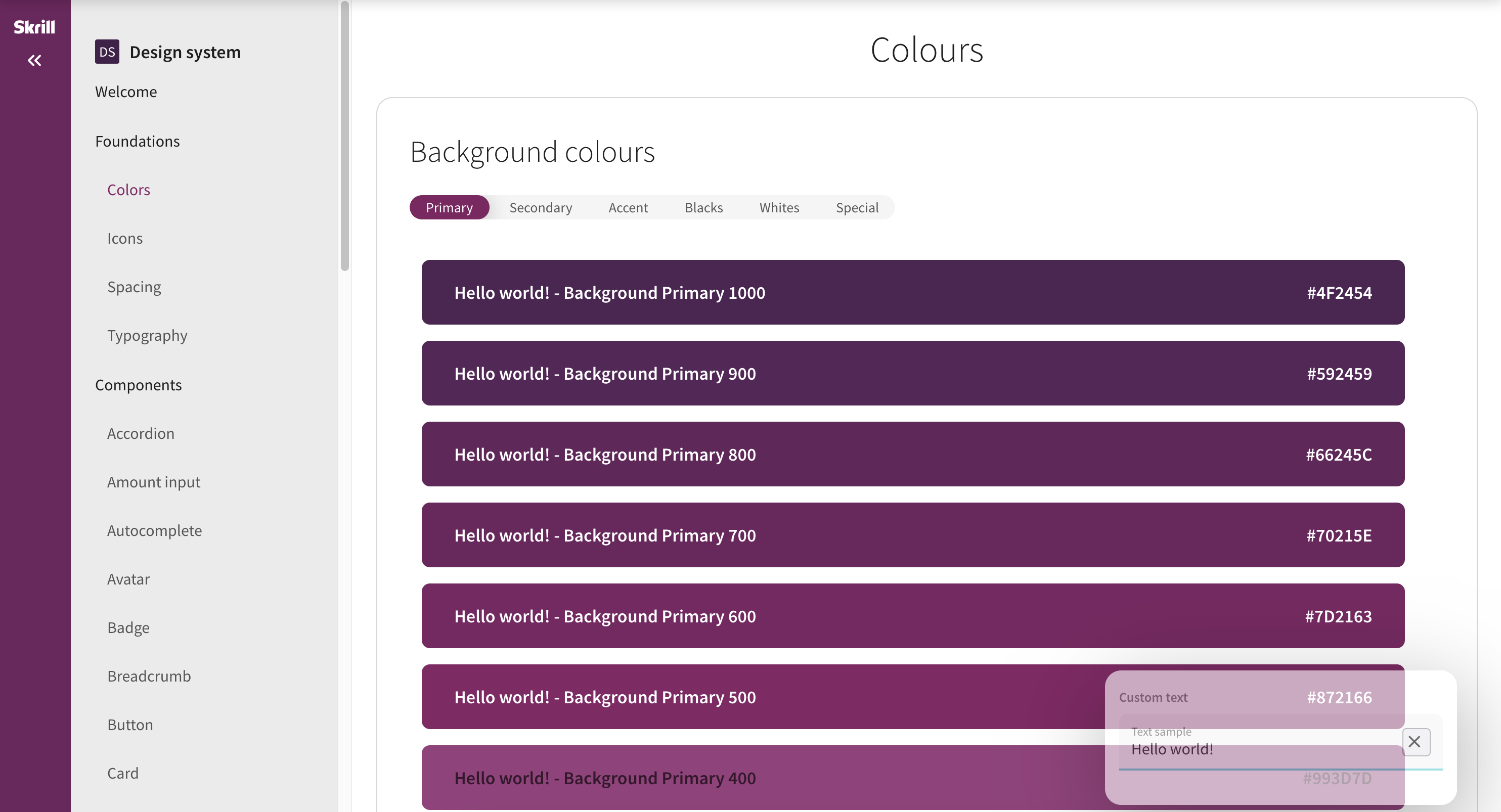
We drew up a business case and got to work. We started by talking to our engineers and figuring out where things were going wrong. Then, we catalogued our visual styles and decided on the most crucial components. The team built V1, a web app that displayed each component, explained its usage, and provided code snippets.
Streamlining the front end
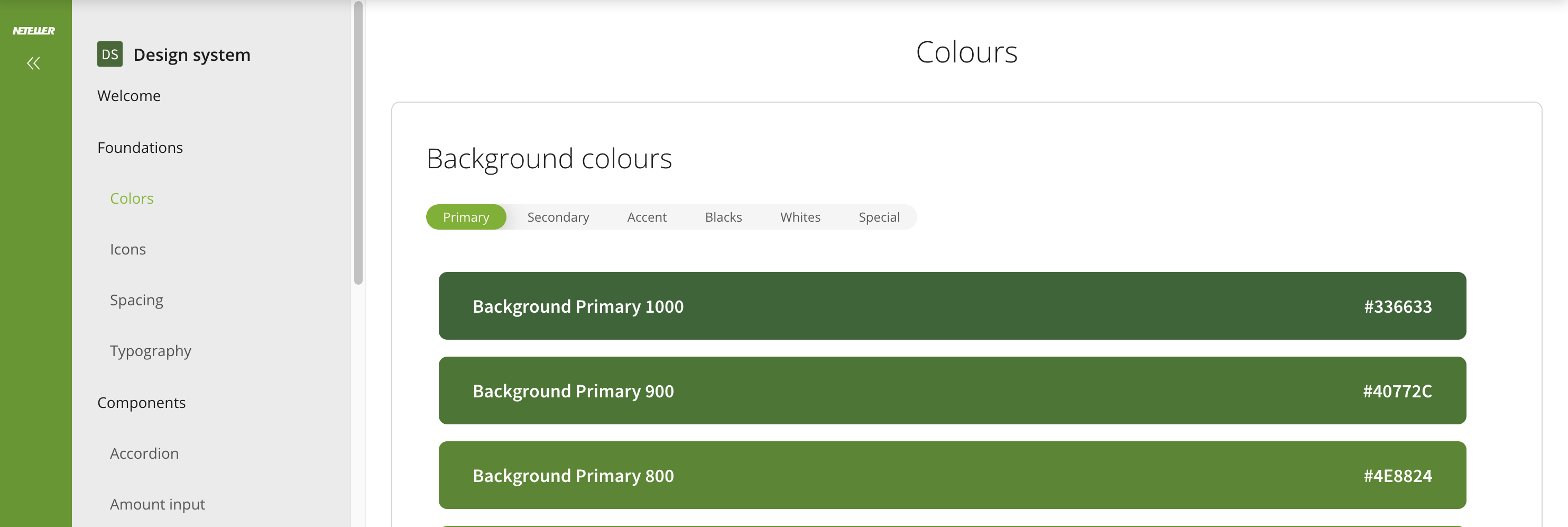
Fast forward a few years. We managed to standardise components, spacing, typography, and colour across our web applications. But then we faced a new challenge: merging the front ends of Skrill and Neteller. Our design system library already supported theming, and that saved us weeks of tedious work.
Shifting focus to mobile
With our growing mobile community and more customers moving to mobile, we knew we had to beef up our mobile apps with better components.
We updated our contribution rules to make sure we built the right new components and integrated them properly afterwards.
Embracing dark themes
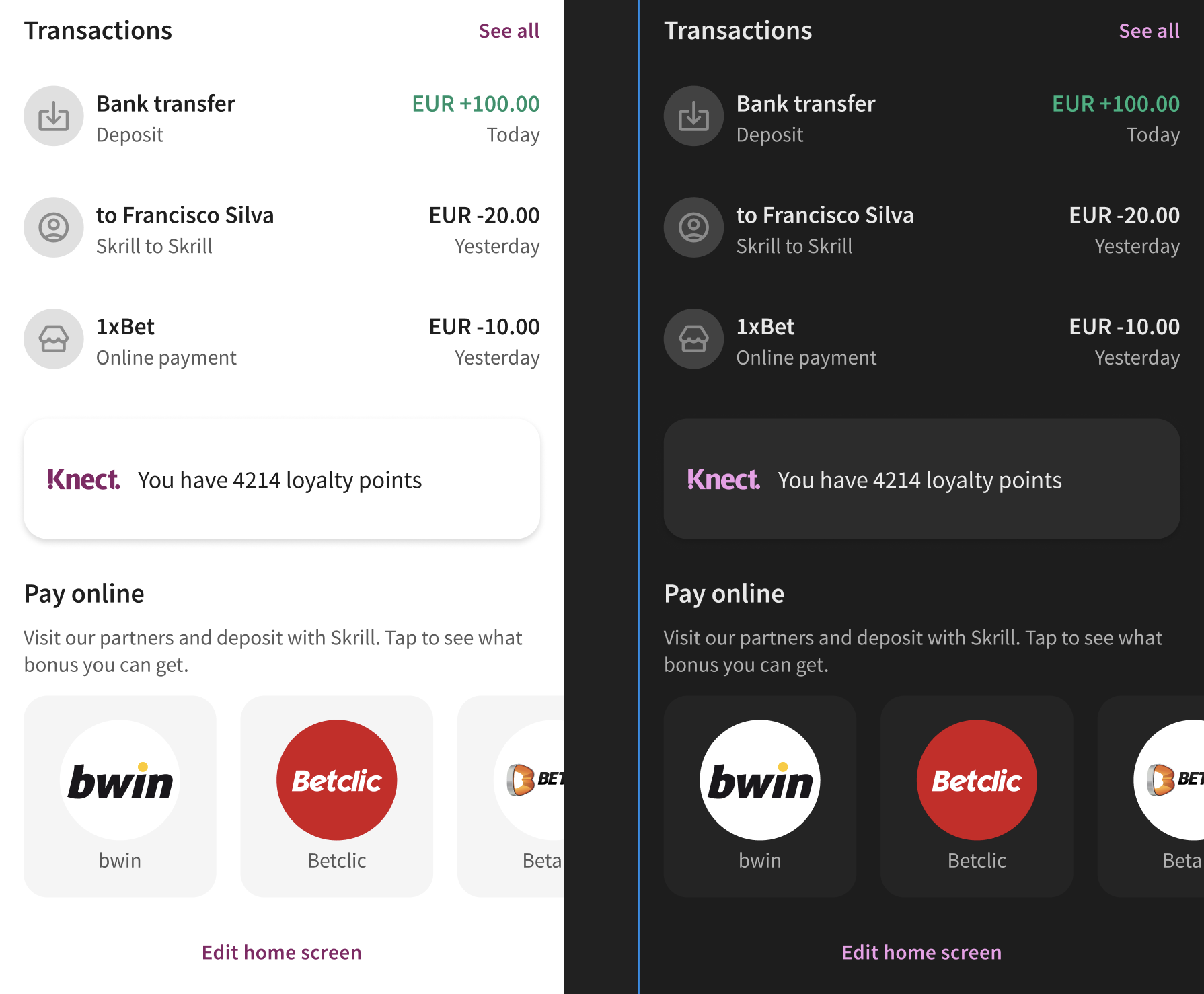
In Q2 2023, we decided to join the dark theme trend. We found it appealing, user-friendly, and energy-efficient. With our applications already fully componentised, it was easy to define dark theme colours and update the illustration pack.
Looking ahead
Running multiple applications isn’t cheap for the business. We’ve been using Figma since 2018, and the arrival of variables in 2023 has made scaling even easier. We’re now looking forward to one language across Paysafe.
We also keep updating how we record our decisions to constantly improve process and product. Retrospectives, interviews and collaboration have been key to resolving the issues that have come up in our work so far.
Five years of working on a design system have shown us how crucial it is for consistency, innovation, and future readiness. We’re confident it will continue to help us drive efficiency and bring the organisation together under one language.
Ever since my time at Infragistics, I’ve worked towards better collaboration between designers and developers. At AngularConnect 2017 in London, Jason Beres and I gave the audience a quick demo of the Sketch design kit we created to work together with our reusable Angular components. That work has now grown from a free GitHub library into fully fledged enterprise software.